Current Work
Despite the rapid scaling of female professional sports, hormonal health remains an under-researched frontier. This leaves athletes striving for marginal gains while forced to make significant physiological choices based on anecdotal and limited clinical evidence.
Health and performance
My research focuses on filling in research gaps in the Female Athlete: Menstrual Cycle Management Decision Framework that involves considering health monitoring, menstrual symptoms, performance goals and contraceptive needs when determining whether to use endogenous hormones for contraceptive or symptom management purposes.
While athletes are encouraged to maintain regular menstrual cycles, little research exists on managing menstrual symptoms that consistently are reported to affect training and competition, or how contraception impacts athletic physiology.
Although we know menstrual cycles impact resting biometrics (see our review paper), the effects on exercise performance and symptom associations remain unclear. Since endurance athletes typically log detailed training data with GPS devices and heart rate monitors, I aimed to leverage existing data to answer female health questions and personalize injury risk prediction
Smartwatch Study
I developed a web app that interacts with the GarminConnect API, guiding participants through interactive labeling of their training data over two years (injuries, vacations, illness). The study included a prospective branch for menstruating females combining training data with monthly surveys on menstrual patterns, symptom impact, and contraceptive use over 6 months. The analysis goals are to:
- Allow female athletes to make informed choices when using hormonal contraception whether for cycle management, hormonal management or contraception.
- Better quantify the impact of the menstrual cycle on heart rate for a given speed in female endurance athletes and assess any association with symptoms. Understanding what happens at baseline is a critical first step to improve intervention advice.
- Assess how menstrual regularity affects injury risk and how this is affected by contraception. Although lack of menstrual cycle due to underfueling is known to increase risk, lack of menstrual cycle due to hormonal contraceptive use has not been investigated.
- Evaluate the impact of different types of contraception on heart rate-speed relationships. Previous studies show combined pills raise resting heart rate but reduce cycle fluctuations. For athletes choosing contraception, the impact on physiology is an important consideration.
- Use the training load data to reduce injury in both male and female athletes.
- Advance injury prevention by developing algorithms to predict individual injury risk (bone and soft-tissue) based on training load.
However this dataset also includes pre and post-pregnancy training data which we are looking to also analyse and collaborate on.
Collaborations
Stanford and the Wu Tsai Human Performance Alliance provide excellent collaborative opportunities, particularly allowing me to extend my research into hormonal health-related projects.
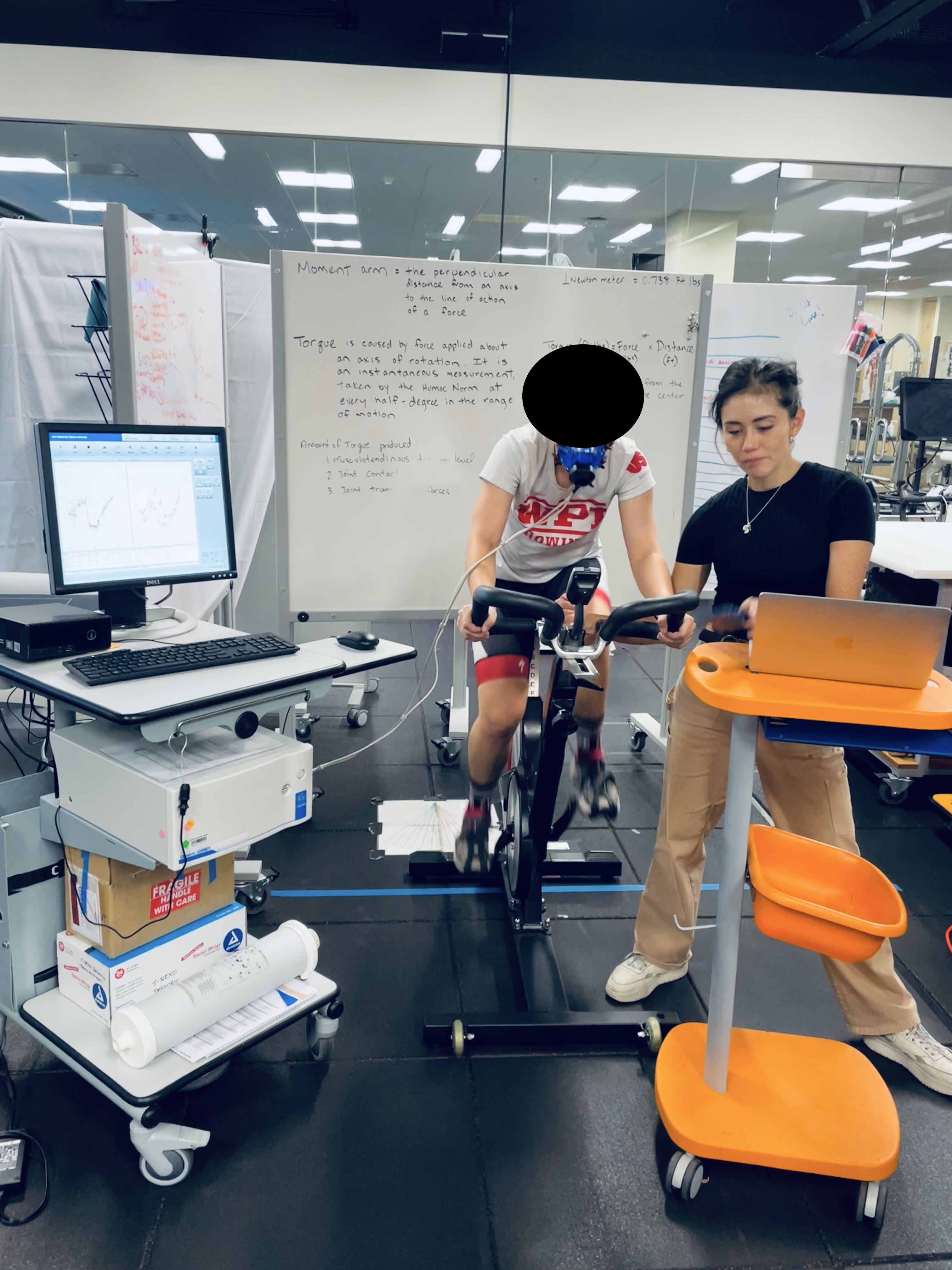
- Monitoring physiological changes in an amateur triathlete undergoing testosterone therapy.
- Using data provided by WHOOP to investigate how biometrics, behaviours and symptoms interact in menstruating women and those undergoing the menopausal transition.
- Stress fractures occur in high incidence in runners and also in military training. I built a training data collection tool for the Return to Sport study, a collaboration including TRIA Orthopedics,The Canadian Sports Institute Pacific and the University of Oregon led by Dr Kristy Popp. This study will measure adherence to return-to-running protocols post-stress fracture as stage 1 before clinical trials to test efficacy of a novel drug to speed bone healing.
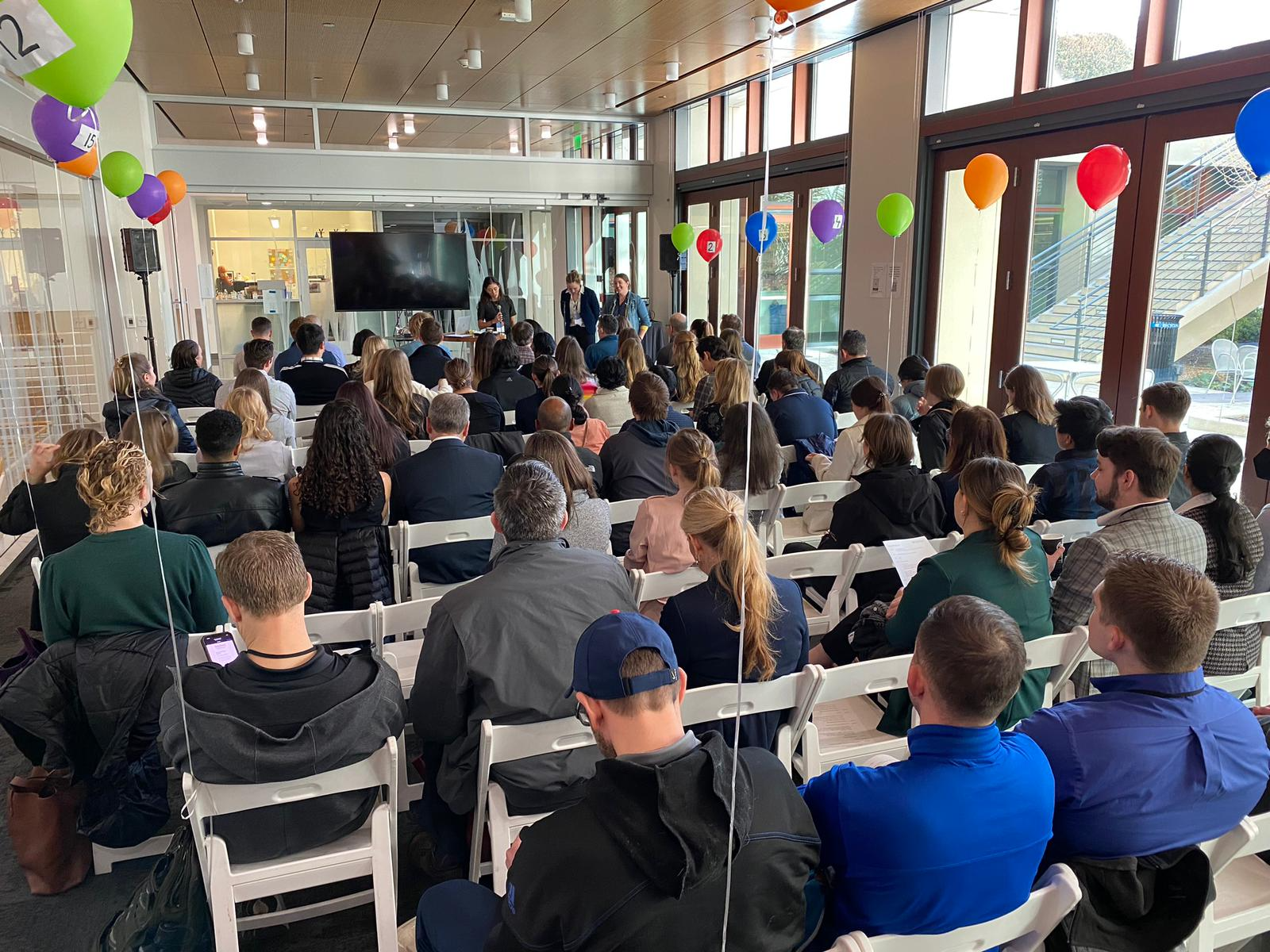
- Organizing the All-Hands meeting for Trainees at the Inauguaral Wu Tsai Human Performance Alliance Research Symposium 2023, Stanford.
Conference organization
VO2 max testing